How to Sell USDT in India Without P2P: What You Need to Know
Want to sell USDT in India without P2P? Learn how direct exchange, conversion and other selling methods work, what to check before selling, and how INR payouts may differ.
How to Sell USDT in India Without P2P: What You Need to Know
Selling USDT in India does not always mean using a peer-to-peer marketplace.
Depending on the platform, available services and supported transaction methods, users may be able to convert USDT through a direct exchange or another crypto conversion process rather than matching with another individual buyer.
For someone searching for how to sell USDT in India without P2P, the important question is not simply which method is cheapest. You should also understand how the transaction works, how the INR amount is calculated, what fees may apply, how settlement happens and what safety checks are required.
This guide explains the main concepts so you can compare your options before selling USDT.
What Does Selling USDT Without P2P Mean?
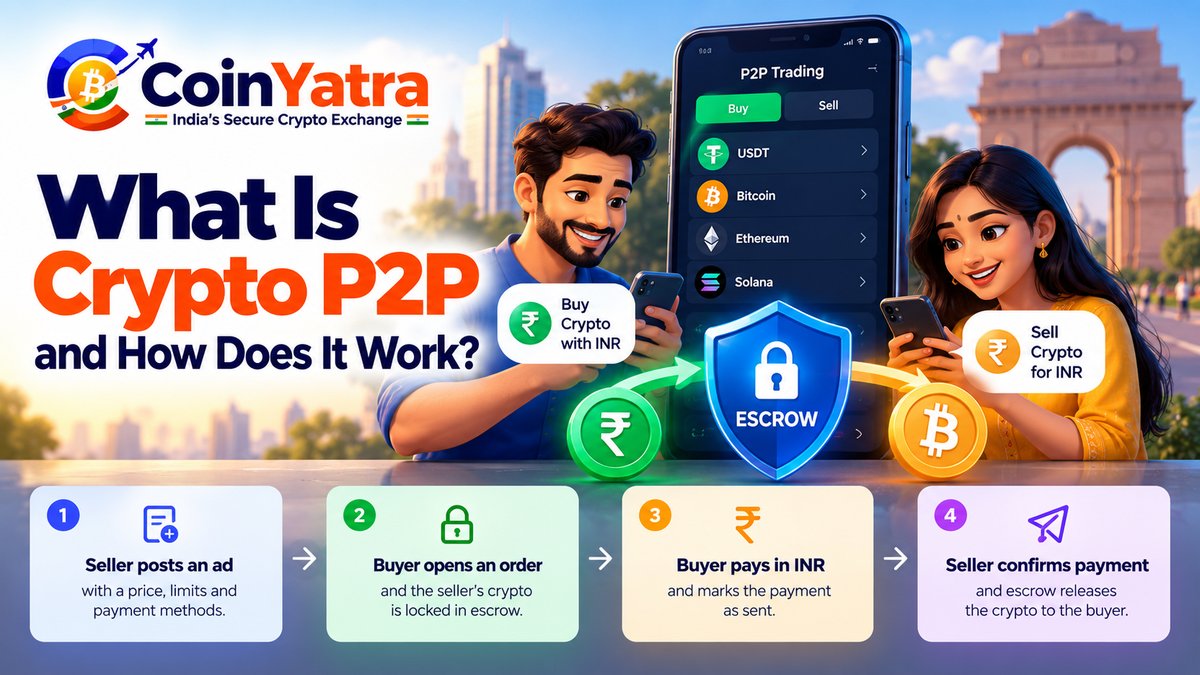
In a traditional P2P transaction, a seller and buyer are matched with each other.
The seller provides USDT, while the buyer provides the agreed payment, such as INR, according to the terms of the P2P transaction.
A non-P2P sale works differently.
Instead of finding an individual buyer, the platform may handle the conversion or execute the trade through its own exchange or trading infrastructure.
The general flow can be:
USDT → Exchange or conversion process → INR
rather than:
USDT → P2P buyer → INR
The exact process depends on the service being used.
How Can You Sell USDT Without P2P?
There are several broad ways users may encounter USDT selling without traditional P2P matching.
1. Direct Exchange Conversion
Some crypto platforms provide a direct conversion or sell function.
Instead of posting an offer and waiting for another person to accept it, the platform may quote a rate for the conversion.
For example, the process could involve:
Selecting USDT.
Selecting INR or another supported currency.
Entering the amount to sell.
Reviewing the displayed rate.
Reviewing fees and the final amount.
Confirming the transaction.
Receiving the resulting balance or payout according to the platform's available settlement method.
The exact process varies between platforms.
Always confirm what the platform currently supports before starting a transaction.
2. Spot Trading
Another non-P2P route is spot trading.
In a spot market, users trade against available market liquidity rather than directly negotiating a transaction with another individual through a P2P offer.
If a platform supports an INR trading pair, a user may be able to trade USDT against INR depending on the available market.
For example:
USDT/INR
can represent a market where users buy and sell USDT against Indian rupees.
However, availability of a specific trading pair varies from platform to platform.
Learn more about spot trading here:
What Is Spot Crypto Trading? A Beginner's Guide
3. Crypto Conversion or Swap
Some platforms provide a swap or conversion feature that allows one supported cryptocurrency to be exchanged for another asset.
A user might convert:
USDT → another supported asset
before completing a separate INR conversion, depending on the platform's available products.
This can be useful when a direct USDT/INR route is not available.
However, every additional conversion can introduce another spread or fee, so you should always compare the final amount rather than looking only at the displayed exchange rate.
For more information:
What Is the Difference Between P2P and Non-P2P USDT Selling?
The main difference is how the transaction is executed.
FeatureP2P SellingNon-P2P SellingCounterpartyAnother userExchange or marketOffer matchingUsually requiredNot necessarilyPriceOften based on individual offersMay use market or platform pricingPayment processDepends on the P2P offerDepends on platform infrastructureExecutionBuyer/seller transactionExchange/conversion processComparisonCompare individual offersCompare market price, spread and fees
Neither method is automatically better in every situation.
The right choice depends on the price, speed, payment method, liquidity, fees and the level of control you want over the transaction.
Why Would Someone Sell USDT Without P2P?
There are several reasons a user may prefer a non-P2P route.
Simpler transaction flow
Instead of searching through multiple offers, a direct conversion can provide a more straightforward process when available.
Fewer interactions with individual buyers
Some users prefer dealing with a platform or market instead of negotiating with another person.
Faster execution
Depending on liquidity and the platform, a direct market transaction may execute faster than waiting for a suitable P2P offer.
Greater pricing transparency
A market or conversion interface may make it easier to see the quoted price, spread and applicable charges before confirming.
However, these advantages depend entirely on the platform and the transaction method being used.
How Is the USDT to INR Rate Calculated?
One of the biggest questions when selling USDT is:
How much INR will I actually receive?
The final amount can depend on several factors.
These may include:
The current USDT/INR market rate
Market liquidity
Spread
Platform fees
Network or withdrawal fees where applicable
The amount being sold
The selected transaction method
For example, imagine the market indicates that USDT is trading at a particular INR price.
The amount you finally receive may differ from a simple:
USDT amount × displayed market price
calculation because transaction costs or spreads may apply.
That is why you should always check the final receivable amount before confirming a transaction.
You can also monitor the current USDT-to-INR market information here:
Is Selling USDT Without P2P Cheaper?
Not necessarily.
The cheapest method depends on the total cost of the transaction.
For a proper comparison, look at:
Quoted rate + spread + transaction fees + withdrawal/settlement costs
rather than comparing only the headline USDT price.
For example, a platform may show a slightly better exchange rate but charge higher fees.
Another method might show a slightly lower rate but have lower transaction costs.
The important number is the net amount you receive after all applicable charges.
For current CoinYatra fee information, always check:
Can You Sell USDT Directly for INR?
This depends on the specific platform and its currently available products.
A platform may offer:
USDT/INR trading
Direct conversion
INR settlement
P2P transactions
Other crypto-to-fiat services
But these features are not universal.
You should never assume that a platform supports a particular transaction method simply because another exchange does.
Always check the platform's current interface and available options before depositing or transferring assets.
What Should You Check Before Selling USDT?
Before making a USDT transaction, compare more than just the price.
1. Supported network
Make sure you are sending or depositing USDT through the network supported by the receiving platform.
USDT can exist across multiple blockchain networks, so network compatibility is extremely important.
2. Exchange rate
Check the current USDT-to-INR rate.
Do not rely on old screenshots or outdated prices.
3. Spread
The quoted selling price may differ from the broader market price.
Understand the difference before confirming.
4. Fees
Check applicable trading, conversion, withdrawal or settlement fees.
5. Final INR amount
The most useful number is what you actually receive after applicable charges.
6. Account verification
Some platforms require identity verification before users can access certain services.
7. Transaction limits
Check whether minimum or maximum transaction limits apply.
8. Settlement time
Understand when the INR amount will become available and whether processing conditions apply.
Can You Avoid P2P Completely?
That depends on the services supported by the platform you're using.
If a platform provides a direct market, conversion feature or other supported non-P2P method, you may be able to sell USDT without using a P2P marketplace.
However, there is an important distinction:
“Selling without P2P” does not mean that every crypto exchange provides the same selling mechanism.
Some platforms may offer only P2P for certain assets or currencies.
Others may provide spot markets or direct conversion.
Always check the actual available feature before transferring your crypto.
Is P2P the Only Way to Sell USDT in India?
No.
P2P is one method, but it is not the only possible structure for a USDT transaction.
Depending on the platform and currently supported services, users may encounter:
P2P trading
Spot trading
Direct conversion
Crypto swaps
Other supported exchange mechanisms
The availability of each method can vary.
You should select the method based on the actual functionality available to you rather than assuming that one route is universally better.
For CoinYatra's current P2P functionality, you can learn more here:
P2P vs Direct Selling: Which Is Better?
There is no universal answer.
A user who values simplicity and direct execution may prefer a non-P2P transaction when available.
A user who wants to compare individual offers may prefer P2P.
Your choice should depend on:
Price
Liquidity
Fees
Transaction speed
Payment method
Settlement method
Transaction limits
Security
Platform availability
The best method is usually the one that gives you a clear and predictable transaction at an acceptable total cost.
How to Reduce Mistakes When Selling USDT
Before confirming a transaction:
Check the asset
Make sure you are selling USDT, not another token.
Check the network
Confirm the blockchain network before making a deposit or transfer.
Check the rate
Review the current USDT/INR price.
Check the fee
Look at the actual fee charged by the platform.
Check the final amount
Confirm how much INR you will receive after costs.
Verify the destination
If you are transferring USDT before selling it, verify the destination address and network carefully.
Keep transaction records
Save relevant transaction details and confirmations for your records.
What About Taxes and Compliance?
Selling cryptocurrency can have tax and reporting implications depending on your circumstances and the applicable rules.
The exact treatment depends on factors such as:
The nature of the transaction
Your acquisition cost
The amount involved
Your overall crypto activity
Current Indian tax rules
Do not treat a blog article as personalized tax advice.
For general educational information about crypto and taxation in India, see:
Rules can change, so users should verify current requirements before making significant transactions.
How CoinYatra Fits Into the USDT Selling Journey
CoinYatra provides information and tools around USDT, INR markets and crypto trading.
For users specifically looking to sell USDT in India, the main CoinYatra page is:
For users who want to understand the P2P route:
And for the current USDT-to-INR market:
The exact transaction method available to a user should always be checked in the current CoinYatra platform interface.
Frequently Asked Questions
Can I sell USDT in India without P2P?
Yes, non-P2P methods can exist, including spot trading or direct conversion where supported by the platform. Availability depends on the platform and its current features.
How can I convert USDT to INR without P2P?
A platform may offer a USDT/INR market, direct conversion or another supported exchange mechanism. Check the current available options before transferring your USDT.
Is selling USDT without P2P safer?
Not automatically. Safety depends on the platform, transaction method, account security, network selection, fees and the checks you perform before confirming the transaction.
Is non-P2P USDT selling cheaper?
Not necessarily. Compare the rate, spread and all applicable fees, then calculate the final INR amount you will receive.
What is the easiest way to sell USDT?
The easiest method depends on what is currently supported by the platform and what you value most, such as speed, pricing, simplicity or payment convenience.
Does every crypto exchange support USDT-to-INR selling?
No. Supported assets, trading pairs and INR settlement methods vary between platforms.
Should I check the USDT network before selling?
Yes. If your USDT needs to be transferred to a platform before the sale, make sure the exact network is supported by the destination.
Final Takeaway
Selling USDT in India does not necessarily mean using P2P.
Depending on the platform, you may encounter direct conversion, spot trading or other non-P2P methods. However, the important thing is to compare the actual rate, spread, fees, settlement process and final INR amount before confirming a transaction.
P2P can provide access to individual offers, while non-P2P methods can provide a different transaction experience.
Rather than choosing a method simply because it looks faster or cheaper, compare the complete transaction and make sure the network, asset, destination and applicable charges are correct.
For CoinYatra users, the best starting points are the relevant Sell USDT, USDT-to-INR, P2P and Fees pages, depending on the functionality currently available.